

A Brief Look At Vietnamese Language
Overview
Vietnamese is one of the few languages in Asia that uses the Latin alphabet, making it relatively easy to interpret street signs and learn some basic conversational skills. The modern Vietnamese language was developed by French colonialists, with contributions from individuals like Spanish missionaries, resulting in a pronunciation that shares similarities with Spanish.
The significant distinction between these two languages is that Vietnamese features six tones in speaking and writing. While mastering the language during a short visit may prove challenging, learning a few basic words can impress locals and make you more friendly and approachable than a mere passerby.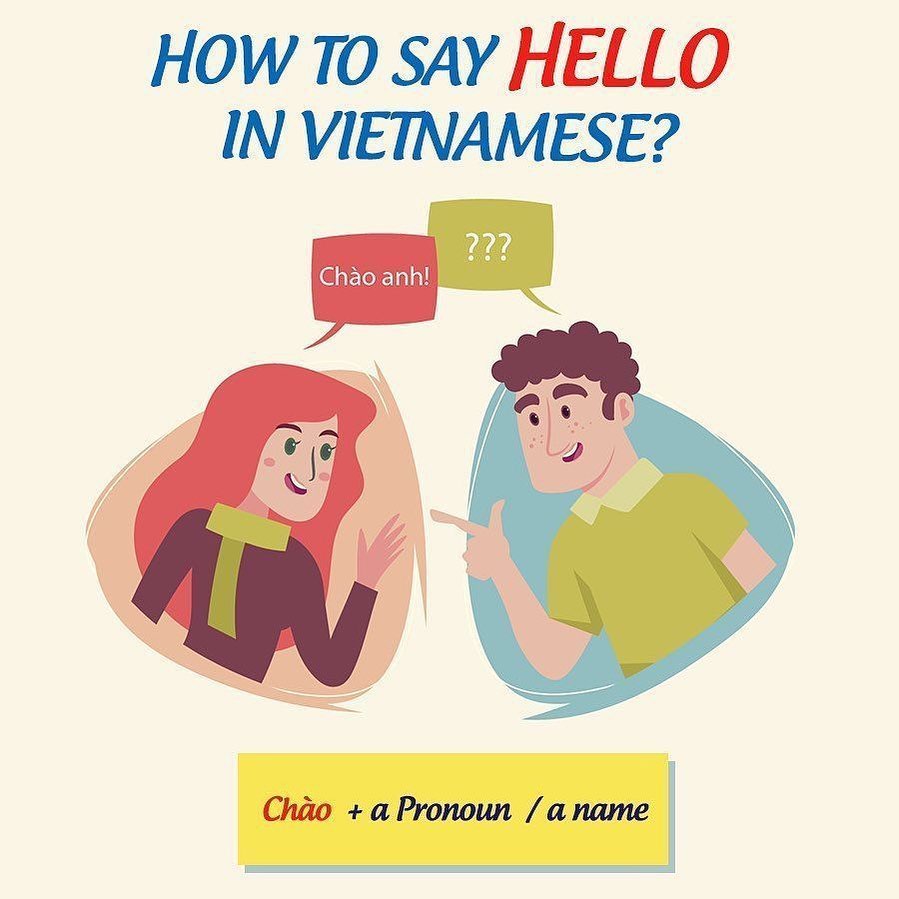 Photo: @vietlingovnTraveling in Vietnam is generally straightforward, as many Vietnamese, especially the younger generation, are fluent in English (learn whether you can get by with just English in Vietnam). Although some may be shy around foreigners, they are usually eager to help if you ask for directions. Others enjoy conversing with travelers, as it helps them practice their language skills.
Learning Vietnamese
Experts agree that if you plan to stay in a foreign country for an extended period, making an effort to learn the local language is essential. Vietnamese is one of those intriguing languages that one can learn, offering a rich experience of the culture. Many people today are conversant in at least one foreign language. Europeans tend to learn languages such as Italian, French, or Norwegian, while North Americans often study Spanish or French. However, to say you have an excellent command of Tiếng Việt sets you apart.
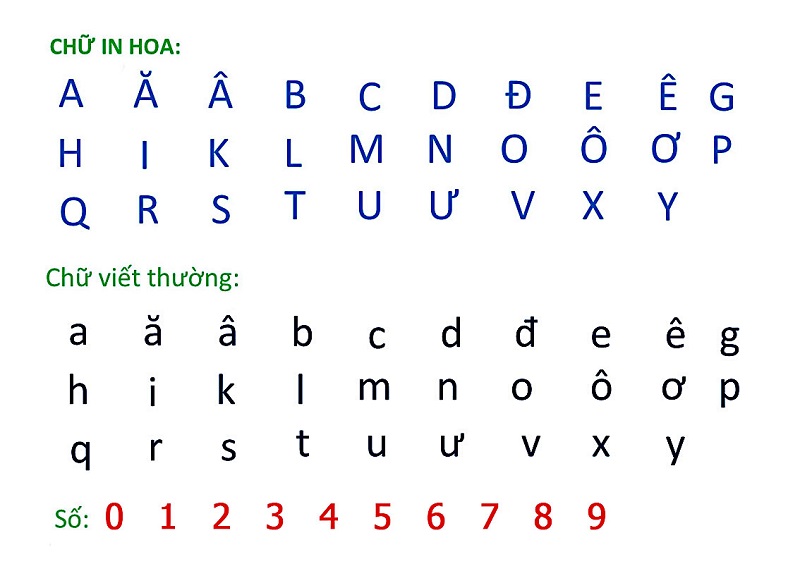 The Vietnamese Alphabet - capital and lowercase
Learning a new language can be not only enjoyable and beneficial but also a sign of respect for the local people and culture. Considering the perspective of the locals, you can understand why they appreciate hearing compliments in their native tongue from a newcomer who has been around for a couple of months.
While Vietnamese grammar is relatively straightforward, its pronunciation is often considered more complex. Estimates suggest that a diligent learner may need approximately 1,100 class hours, along with practical experience, to achieve proficiency: "We mean serious study."
There are expats in Vietnam who have spent years mastering the language. A notable example is Joe Ruelle, known locally as Dâu Tây (Western Berry), who successfully writes blogs and hosts television shows in Vietnamese. He has observed that nowhere else in the world are people as eager to engage with foreigners and allow them to practice their language skills as they are in Vietnam. As a result, once you can communicate effectively with locals, you may receive preferential treatment.
It is widely acknowledged that, aside from a few individuals who try to exploit foreigners, Vietnam is one of the friendliest and most hospitable countries in the world. Knowing the language opens doors and fosters deeper connections with the community. The experience of immersing oneself in a different culture is greatly enhanced through meaningful interactions. Learning the language is a significant first step toward genuine understanding. As one becomes more integrated with the locals, the entire experience of living in Vietnam transforms into a rewarding adventure. Bây giờ thì lấy sách ra học, mau!!! (If you don't know what this means, it’s time to learn Vietnamese!)
Related Readings:

11 Horoscopes In The Year Of The Dragon
The dragon year can be a booster-for-all for all other zodiacs.

Vietnam's 5 Most Important Festivals & Travel Tips
Vietnam's cultural richness stands out with a variety of traditional festivals.

Kinh People
Vietnam is known for its cultural diversity with 54 ethnic groups, in which, Kinh or Viet people accounts for nearly 90% of the whole population.